An interview with Konstantinos Krikopoulos, postgraduate student and Living Lab participant
What does it take to grow food in an urban garden—and what can this experience teach us about sustainability, community and learning? Konstantinos Krikopoulos shares his first-hand experience of cultivating crops and welcoming visitors at the FEED4FOOD Living Lab in Greece.
Could you please introduce yourself?
My name is Konstantinos Krikopoulos, and I am a postgraduate student with practical experience in garden cultivation. I have managed all stages of the growing process for the Living Lab, from soil preparation and planting to crop production and maintenance.
What does a typical day at the Living Lab look like for you?
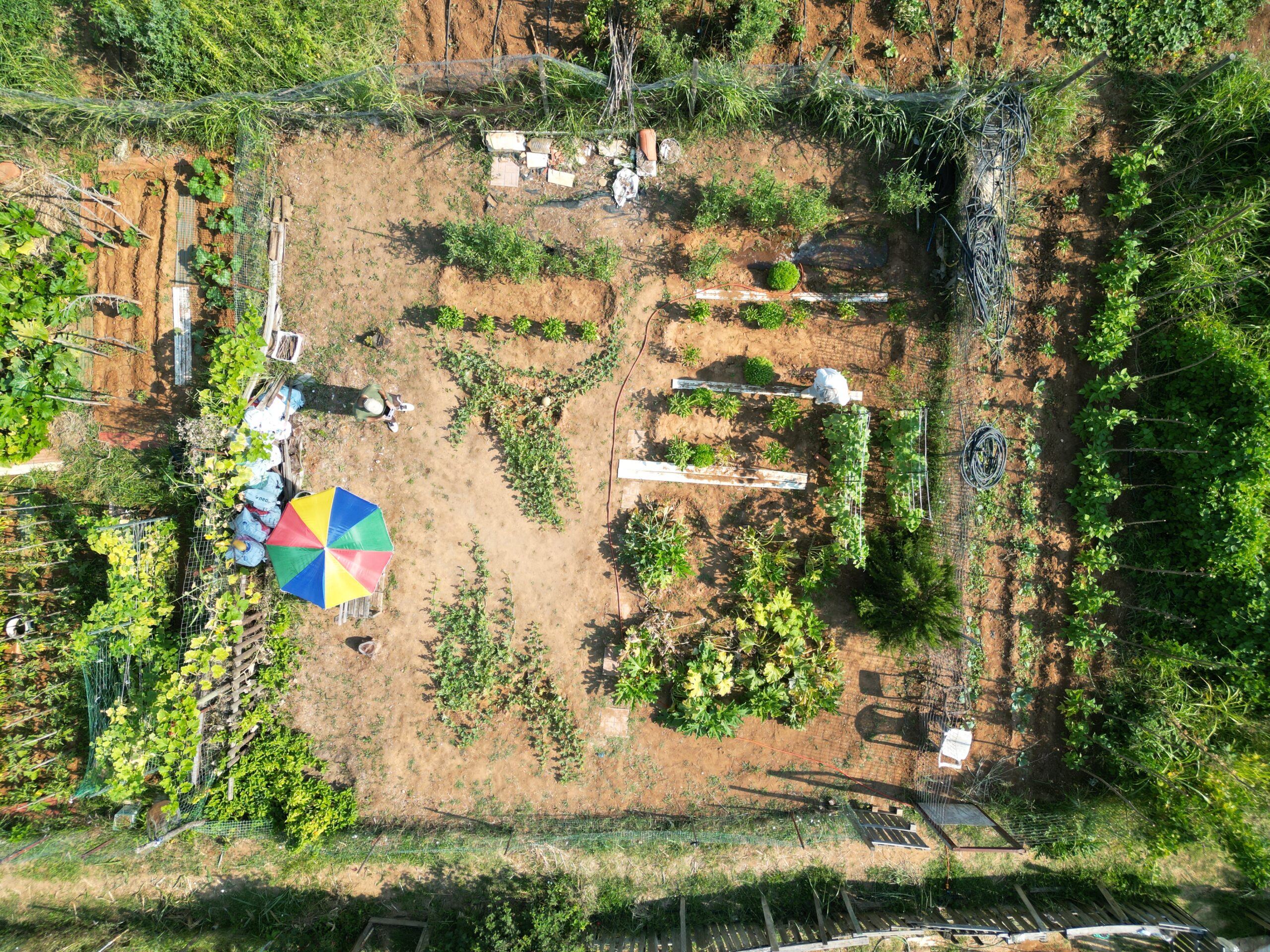
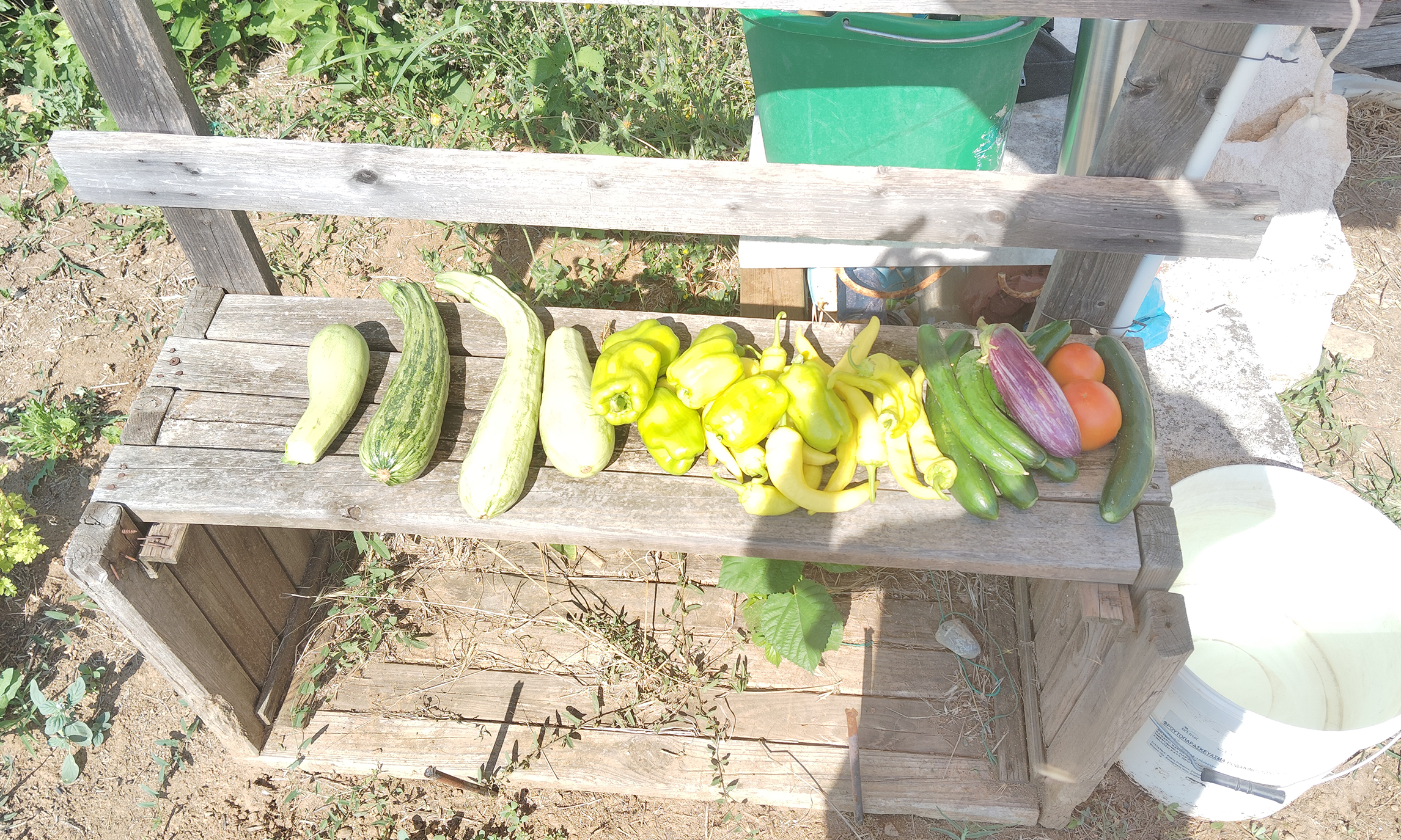
My responsibilities include preparing and loosening the soil to ensure optimal planting conditions; cultivating a variety of crops, including tomatoes, cucumbers, eggplants, zucchini, peppers, watermelons and melons; and providing daily irrigation to promote healthy growth and productivity. I also maintain the garden by removing weeds and keeping the area clean, well-organised and visually appealing.
From preparing the soil to harvesting the crops, what have you enjoyed most about working in the garden?
I enjoy all stages of the cultivation process, from planting to harvesting. However, the most rewarding part is caring for the plants and ensuring they have the optimal conditions and nutrients required for healthy growth and development.
What have you learned through this hands-on experience that you could not have learned in a classroom?
I learned practical techniques to care for plants without harming them, which I could not have learned from a book or in a classroom. I believe this was the most valuable and interesting learning experience throughout the entire process.
Has working in the Living Lab changed the way you think about food production, sustainability or urban agriculture? If so, how?
This experience changed my perspective significantly because I was involved in the entire process, from the initial stages of cultivation to the final product. It helped me understand how much effort and dedication are needed to produce the food we eat. At the end of each day, I felt a sense of happiness and satisfaction, knowing that my hard work had contributed to the outcome.
The FEED4FOOD Living Lab is more than a garden. How does it bring people together?
The Living Lab brings people together because, beyond gardening, it fosters a sense of community. Participants build relationships with their neighbours by sharing knowledge, helping each other care for plants and supporting one another in various activities.
Have you had the opportunity to interact with schools, visitors or members of the local community? What was that experience like?
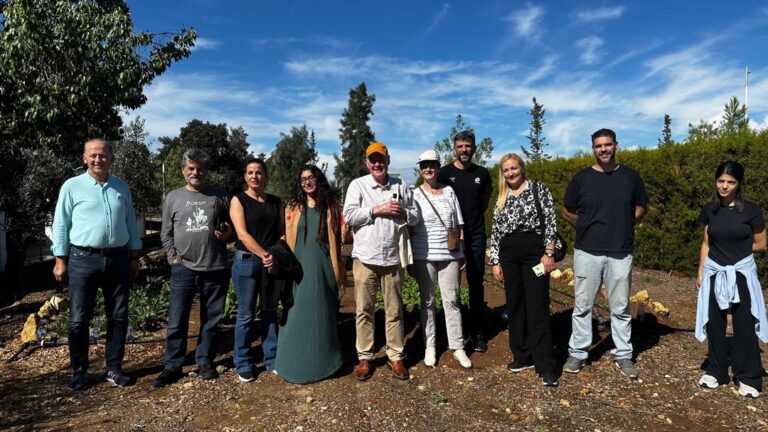
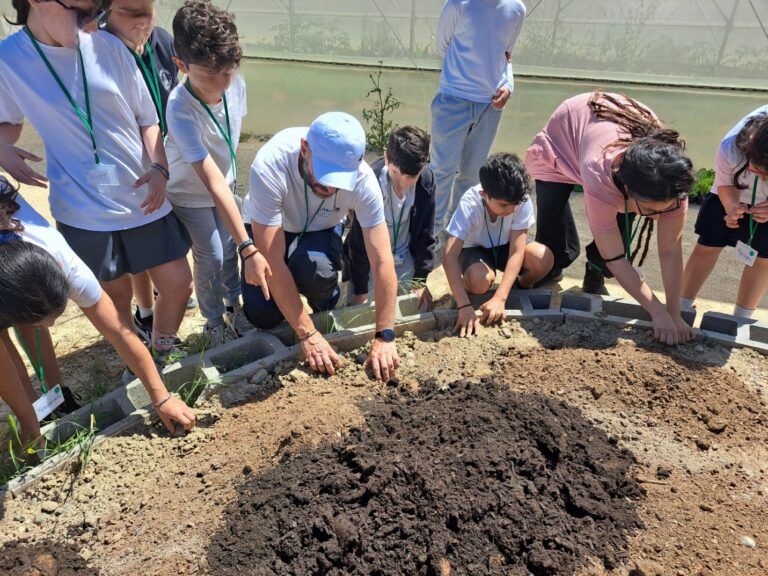
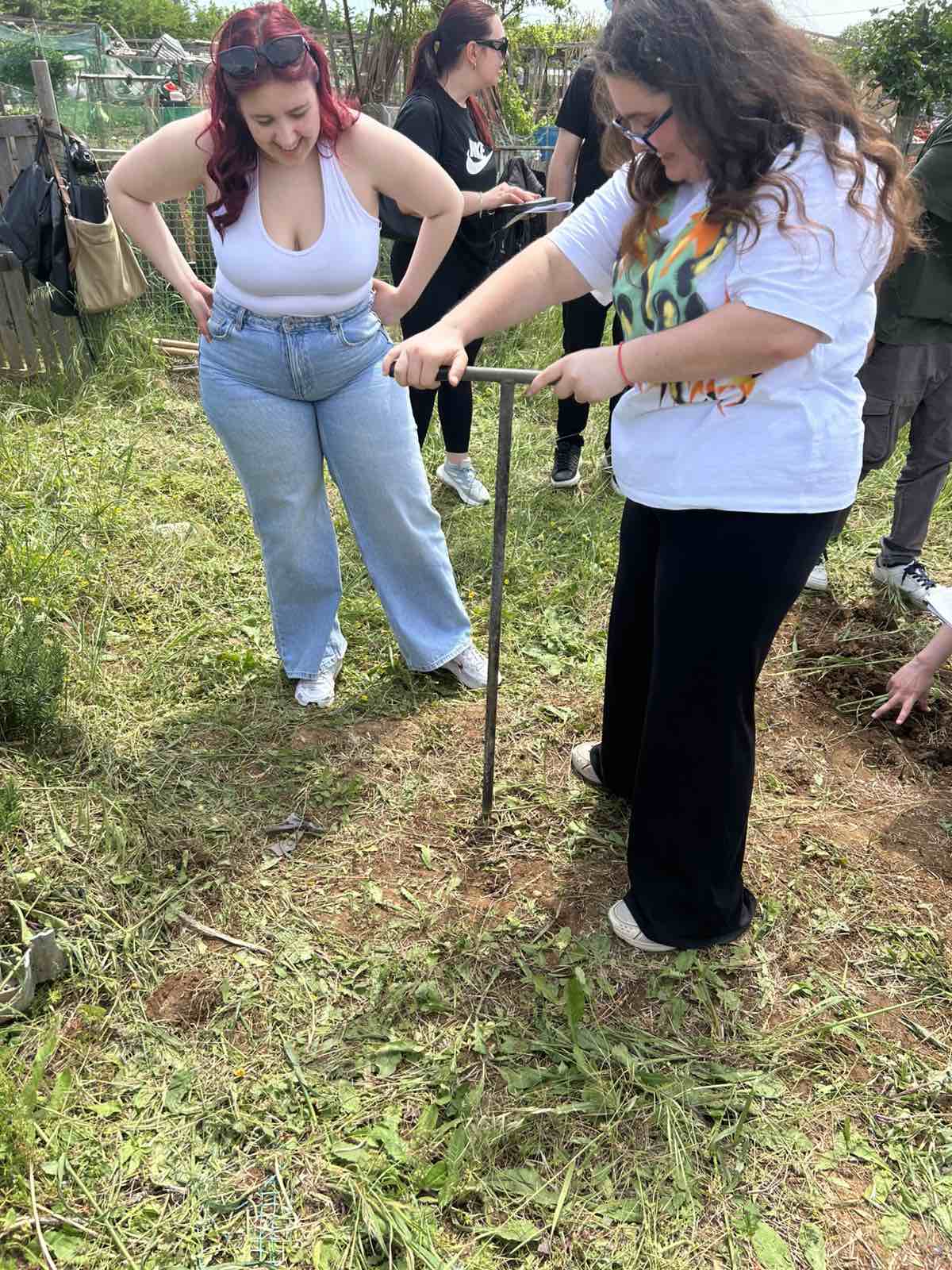
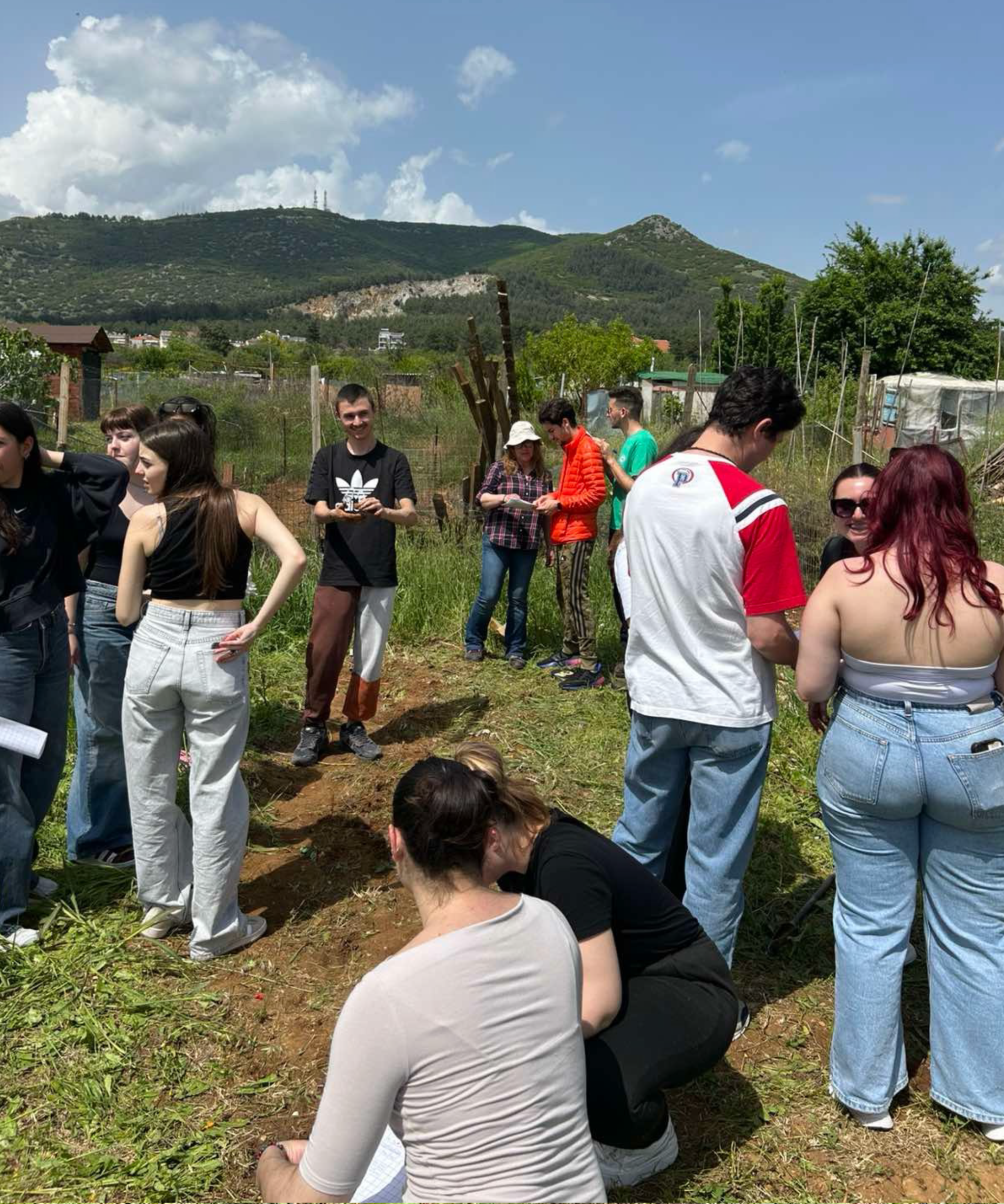
We have had the opportunity to interact with university students, stakeholders and other visitors interested in the Living Lab. These interactions allow us to share our experiences, receive valuable feedback and engage in meaningful discussions about all stages of the cultivation process.
Why do you think urban gardens are important for creating more resilient and sustainable cities?
Urban gardens encourage people to grow their own food and better understand where it comes from. By participating in the growing process, people learn about sustainable food production, reduce their dependence on commercially produced food and develop a greater appreciation for the effort required to produce fresh fruits and vegetables. Urban gardens also strengthen local communities through knowledge sharing and environmental awareness. They help create greener urban spaces, improve biodiversity and contribute to a healthier, more sustainable way of living.
In your opinion, how can projects like FEED4FOOD contribute to improving food security and encouraging healthier eating habits within local communities?
Projects like FEED4FOOD help improve food security by teaching people how to grow their own food and become less dependent on external sources. They also encourage healthier eating habits because people have direct access to fresh fruits and vegetables they have produced themselves, without unnecessary additives. In addition, these projects raise awareness about nutrition, sustainability and the value of local food production, while bringing people together and strengthening the sense of community.
If you could encourage other young people to join a Living Lab or community garden, what would you say to them?
I would encourage young people to join the Living Lab because it is a unique learning experience. You learn how to prepare the soil, plant crops and take care of them every day. One of the most satisfying parts is watching the plants grow and develop over time. In the end, you can harvest fresh and healthy produce and take it home, knowing that you played a role in every stage of the process.