Strovolos, Cyprus | 14–16 October 2026
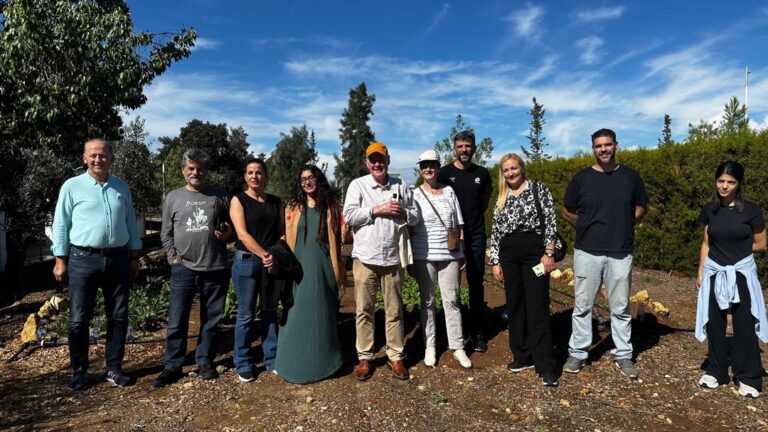
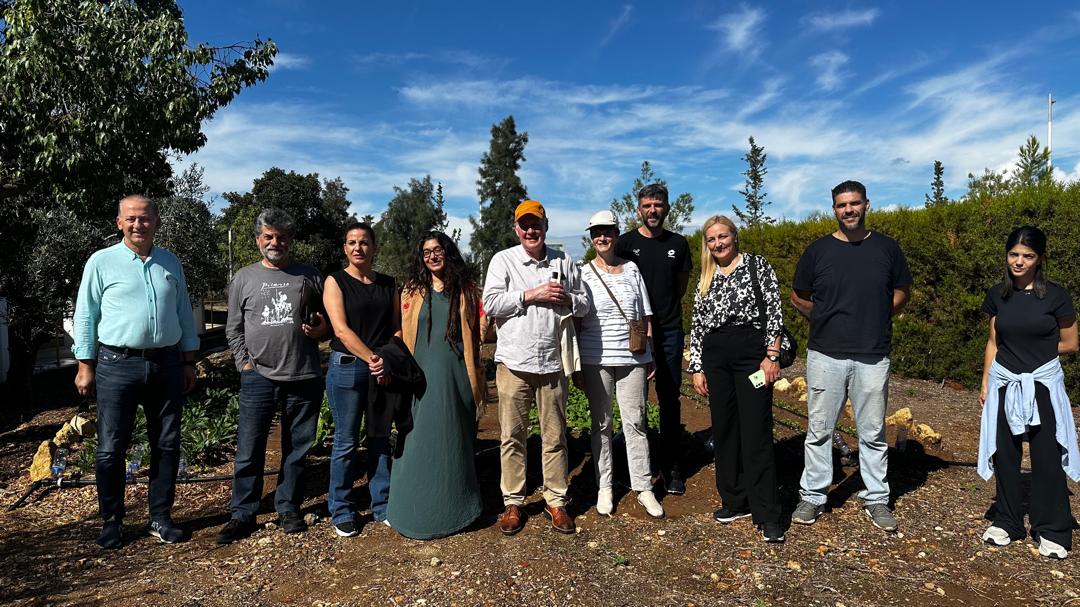
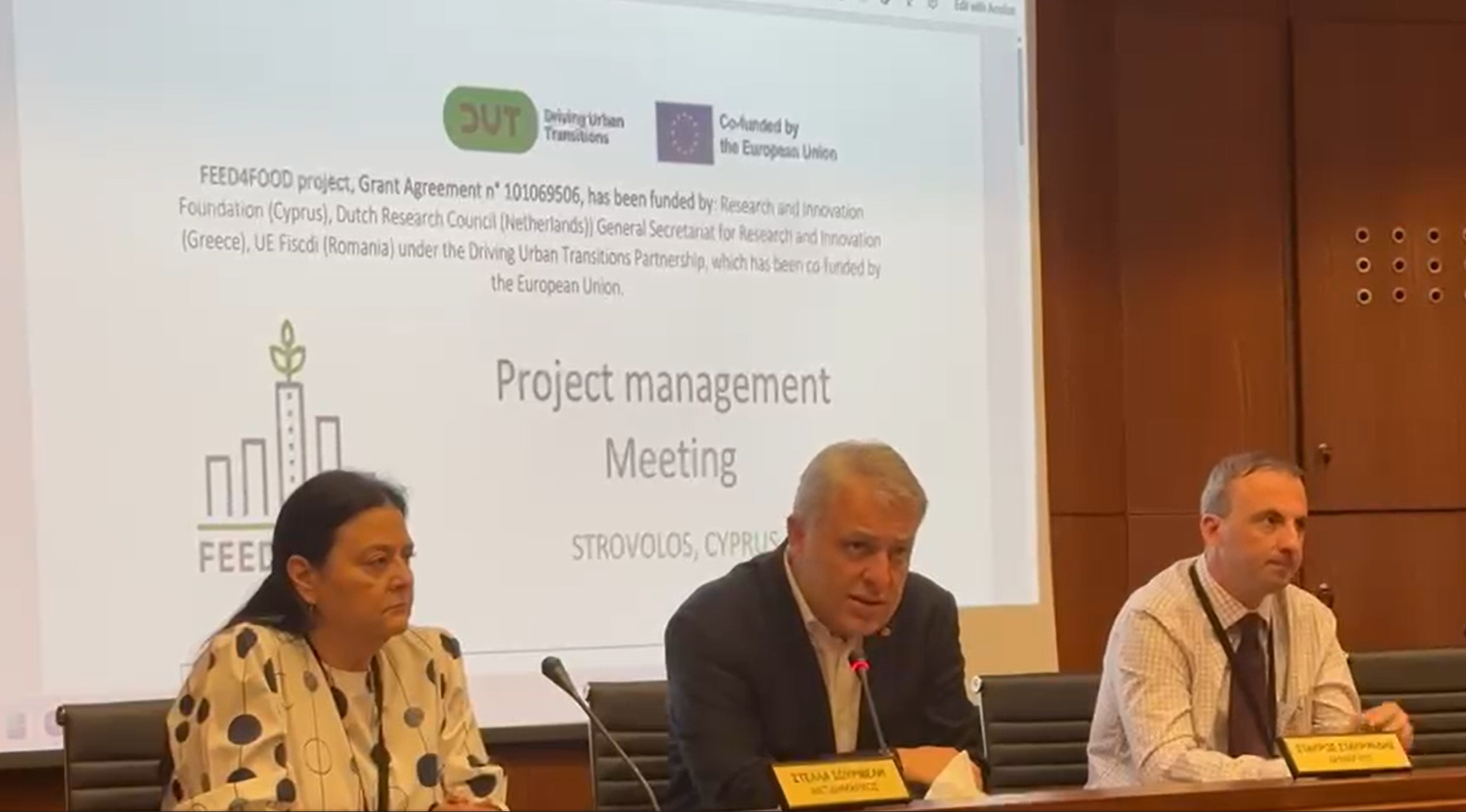
The FEED4FOOD consortium gathered in Strovolos, Cyprus, for its Project Management Meeting, hosted by the Municipality of Strovolos. Combining project discussions with field visits, partners shared progress, explored future priorities and discovered local initiatives linking urban agriculture, education and social inclusion.
Strengthening collaboration and exploring the future of Urban Agriculture Living Labs
The meeting took place at the Strovolos Municipal Council Hall, where participants were welcomed by Mr Stavros Stavrinides, Mayor of Strovolos, and Assoc. Prof. Lia van Wesenbeeck from Vrije Universiteit Amsterdam, FEED4FOOD Project Coordinator. The mayor expressed his appreciation for the project and its contribution to the local community, highlighting the municipality’s interest in environmental and educational initiatives.
Partners then presented their achievements and discussed the next stages of implementation, with particular attention to the long-term sustainability of Urban Agriculture Living Labs. Potential business models included public-private partnerships, small-scale sales of agricultural products, school collaborations and sustainable tourism activities.
The consortium also reviewed progress on the FEED4FOOD knowledge and learning hub and digital dashboard, which bring together food production data and relevant economic and social indicators to support informed decision-making.
Another highlight was the Drama Living Lab in Greece, where partners are exploring home gardening opportunities for senior citizens. By bringing gardening activities closer to their homes, the initiative aims to improve accessibility while encouraging social interaction and active ageing.
Inclusive education and sustainable food production: the C.S. Ioannou Foundation
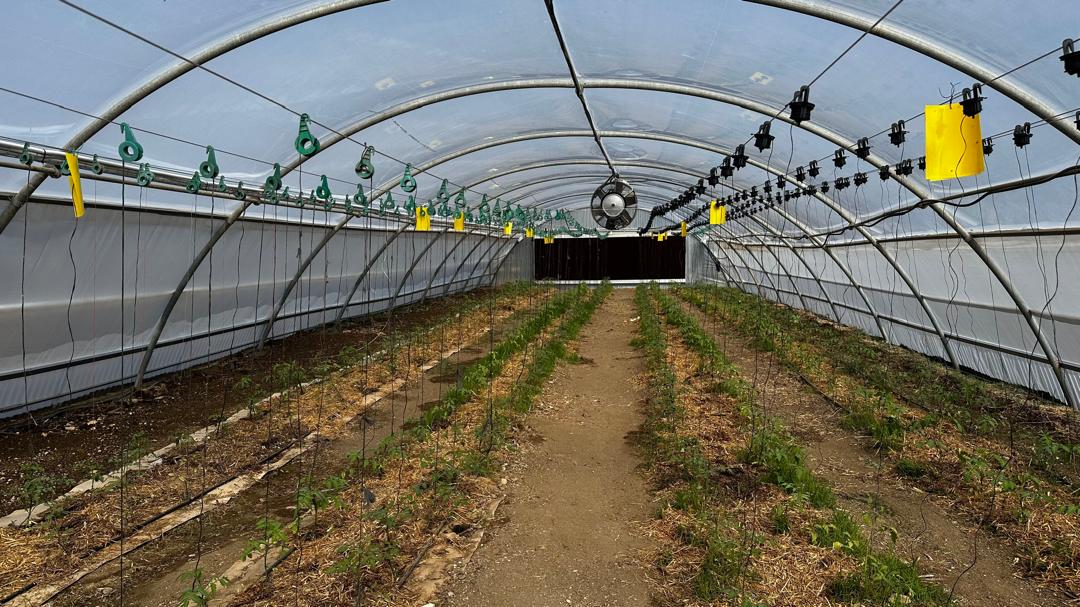
The following day, partners visited the C.S. Ioannou Foundation, which provides educational, vocational and personal development opportunities for approximately 150 students. The Foundation offers practical training in carpentry, creative activities and independent living skills, alongside specialised support services and employment opportunities developed in cooperation with local businesses. Through activities linked to FEED4FOOD, the Foundation has also developed a greenhouse where students gain hands-on experience in food cultivation and sustainable farming. Composting, baking and jam-making activities further introduce practical skills and circular approaches to food production.
The visit showed how agriculture can become a powerful tool for learning, building confidence and promoting social inclusion and independence.
The Strovolos Living Lab: transforming urban space into a learning environment
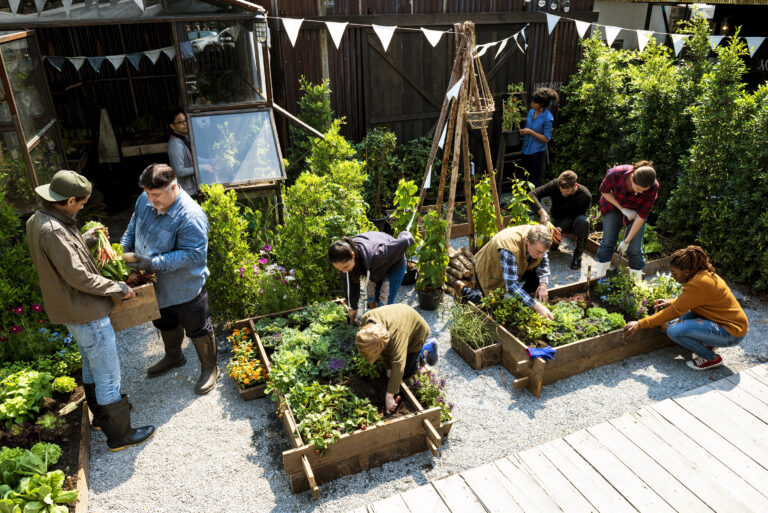
Partners continued their visits at the Strovolos Urban Agriculture Living Lab at Acropolis Park, established on a former municipal nursery site. The garden demonstrates how an underused urban space can become a place for cultivation, environmental education and community activities. Improving soil quality has been one of its main challenges, addressed through composting and soil regeneration practices. Despite its limited size, the Living Lab offers valuable opportunities for hands-on learning, particularly thanks to its proximity to children’s recreational areas. The Municipality of Strovolos has committed to maintaining the infrastructure over the coming years, helping ensure the continuity of activities beyond the project. During the visit, Prof. Ben Sonneveld from Vrije Universiteit Amsterdam also led a practical exercise on identifying suitable locations for urban agriculture, connecting research tools with real-world conditions.
Learning from organic olive oil production in Cyprus
The programme concluded with a visit to a local organic olive farm, where partners followed the production process from cultivation to packaging and distribution.
The visit highlighted challenges facing Mediterranean farmers, particularly water scarcity, drought resilience and labour shortages, while showcasing the value of traditional knowledge and sustainable farming practices.
Looking ahead
From inclusive education and urban gardening to organic farming and digital tools, the Strovolos meeting showed how FEED4FOOD’s research connects with everyday experiences and local needs.
One message stood out: the future of sustainable food systems is not just about growing food, but about creating opportunities for people to learn, participate and grow together.
FEED4FOOD is implemented under the Driving Urban Transitions Partnership, co-funded by the European Union and participating national funding organisations.