
On 30 September and 1 October 2025, the Feed4Food project participated in the Driving Urban Transitions (DUT) Projects Event held in Milan, a dynamic two-day gathering that brought together all projects launched under the DUT Calls 2022 and 2023. The event served as a unique platform for learning, exchange, and collaboration among project coordinators, researchers, innovators, and communication specialists working on sustainable urban transformation across Europe.
Feed4Food was represented by project coordinator Lia Van Wesenbeck from the Vrije Universiteit Amsterdam and the Amsterdam Centre for World Food Studies, together with Viviana Capurso, Dissemination and Communication Specialist at AREA, the subcontractor responsible for the project’s communication and dissemination activities.
Throughout the event, participants engaged in interactive working groups, discussing common challenges and exploring how DUT-funded projects can ensure long-term sustainability, scalability, and impact. The sessions emphasised collaboration and practical learning, encouraging projects to identify shared tools and solutions that can be reused across initiatives.
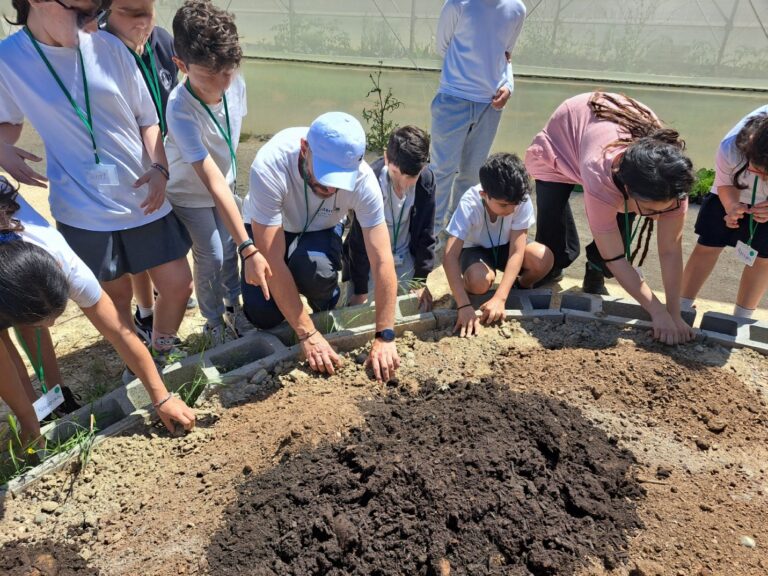
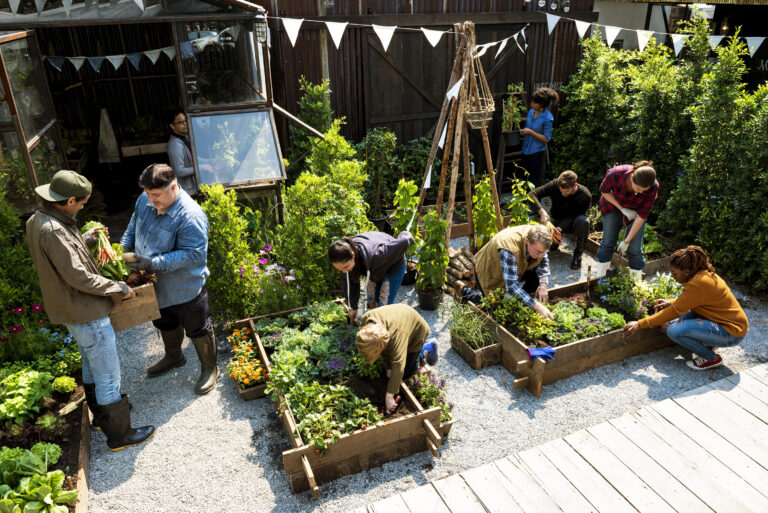
Feed4Food took part in the Circular Urban Economy thematic cluster, alongside projects such as SURFIT, NATURO and FOCUSE, which address urban circularity through innovation and community engagement. During the poster exhibition, Feed4Food’s materials attracted strong attention from organisers and fellow participants. The project was praised for its innovative Living Lab approach, connecting local authorities, universities, SMEs, and community organisations to co-create sustainable food solutions tailored to the needs of vulnerable groups in Strovolos (Cyprus), Drama (Greece), and Bucharest (Romania).
Many discussions throughout the event focused on replicability and scalability, key aspects of Feed4Food’s model. The project was recognised as a promising example for its ability to adapt the Living Lab framework to diverse contexts, while integrating data collection and community co-creation to ensure long-term relevance and measurable impact.
Beyond the poster sessions, the event allowed Feed4Food representatives to exchange experiences with other DUT projects working on Positive Energy Districts and 15-Minute Cities — two complementary approaches that, together with urban food systems, contribute to more sustainable, resilient, and inclusive cities.
Feed4Food’s presence at the DUT Projects Event underlined the project’s commitment to collaboration, innovation, and knowledge sharing within the broader DUT community. The discussions and insights gained in Milan will further inform the project’s next steps, strengthening its capacity to support sustainable urban transitions and inclusive food environments across Europe.